
A Paraguayan Utopia
Paraguay reacts to the unimaginable

It was late in Asunción, the Paraguayan capital, nobody knew the exact time nor did they care because the President had already declared a public holiday. Nelson Haedo Váldez appeared on a balcony opposite the Pantheon of Heroes, here is a man that has been to Germany and conquered it. The jubilant crowd below waited expectantly to hear from the former Bundesliga champion. Could he try and explain what just happened thousands of miles north? Had they really just defeated the four-time World Champions?
Paraguay had never scored a goal in the knockout stage, Germany had never lost a penalty shootout. This article was not meant to have been written in this way - maybe that’s why it is so hard to put into words what took place on the field at Foxborough.
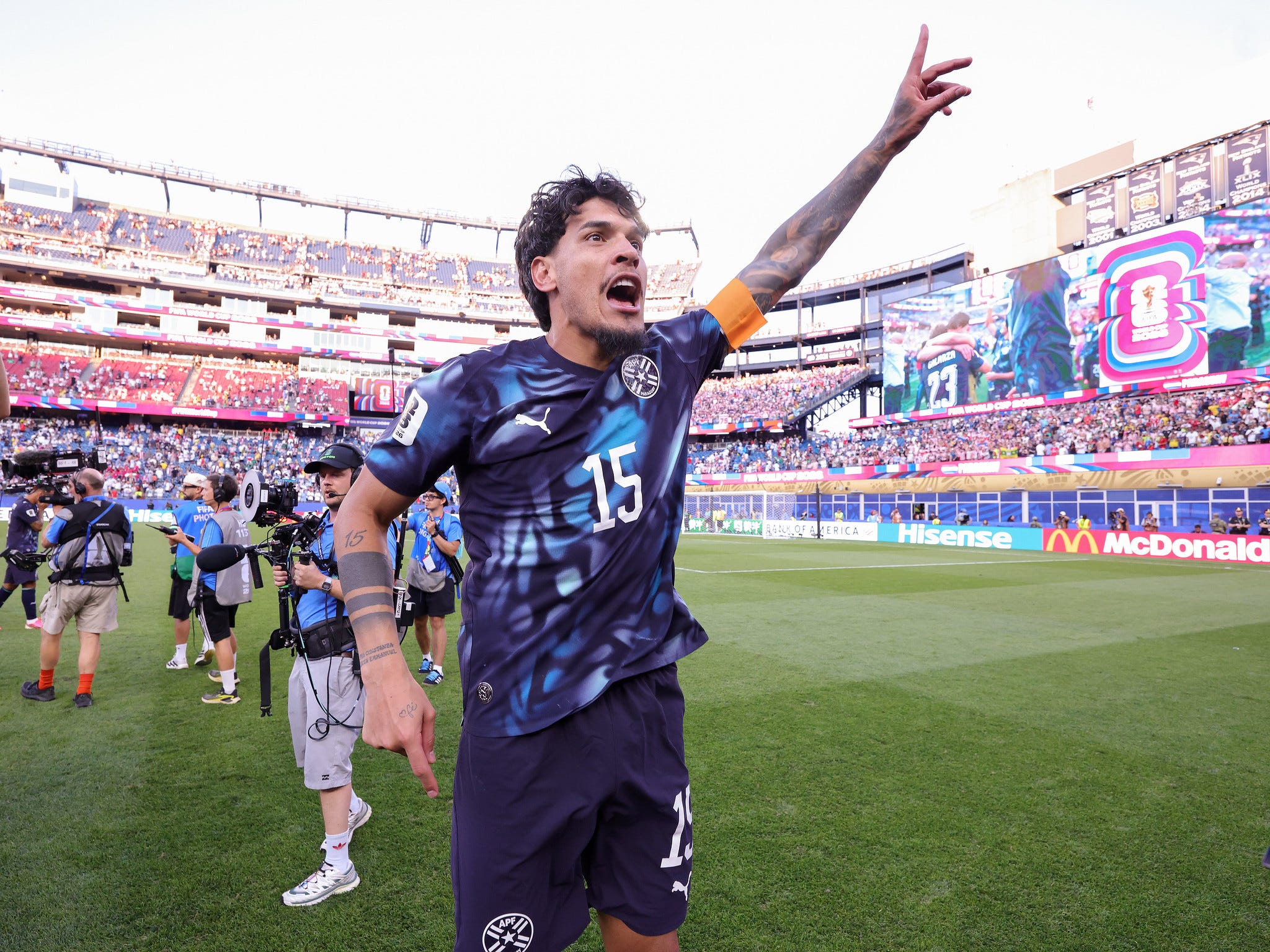
A few hours earlier in the passageways of the Gillette Stadium a group of “26 warriors” strode through triumphantly singing in their native language of Guaraní. The song was a Paraguayan polka, Regimento 13 Tuyutí, written during the Chaco War in the 1930s. One portion is particularly poignant
“Kundt ko oimo’ânte raka’e ijypýrô
ojuhúta ápe pire pererî
Ha ojepojoka gringo tuja výro
Nanawa rokêre ojoso itî”
Loose translation: (Kundt thought he’d find thin-skinned people, but the foolish old gringo encountered a rock at Nanawa)
German World War I veteran Hans Kundt had joined Bolivian efforts in the war but was thwarted at Fortín Nanawa, heroically defended by the much smaller and less prepared Paraguayan army. Although almost one hundred years ago, the legacy lives on through song and that battle is often compared to epic Albirroja performances. It was Alfaro that called his players “warriors” in the post-game press conference in Boston. The Argentinian coach had also accepted a replica of Mariscal López’s sabre prior to leaving for the United States.
In many ways the sabre was expected to be a more appropriate gesture as it comes from the other major war that shaped Paraguay’s identity. The Triple Alliance War in the mid-nineteenth century ended in defeat but is valued as a moment that Paraguay never gave up against her larger rivals and López himself fought to the death. The Albirroja were expected to fight for every ball, put their bodies on the line and avoid a thrashing against the European elite but go home defeated all the same.
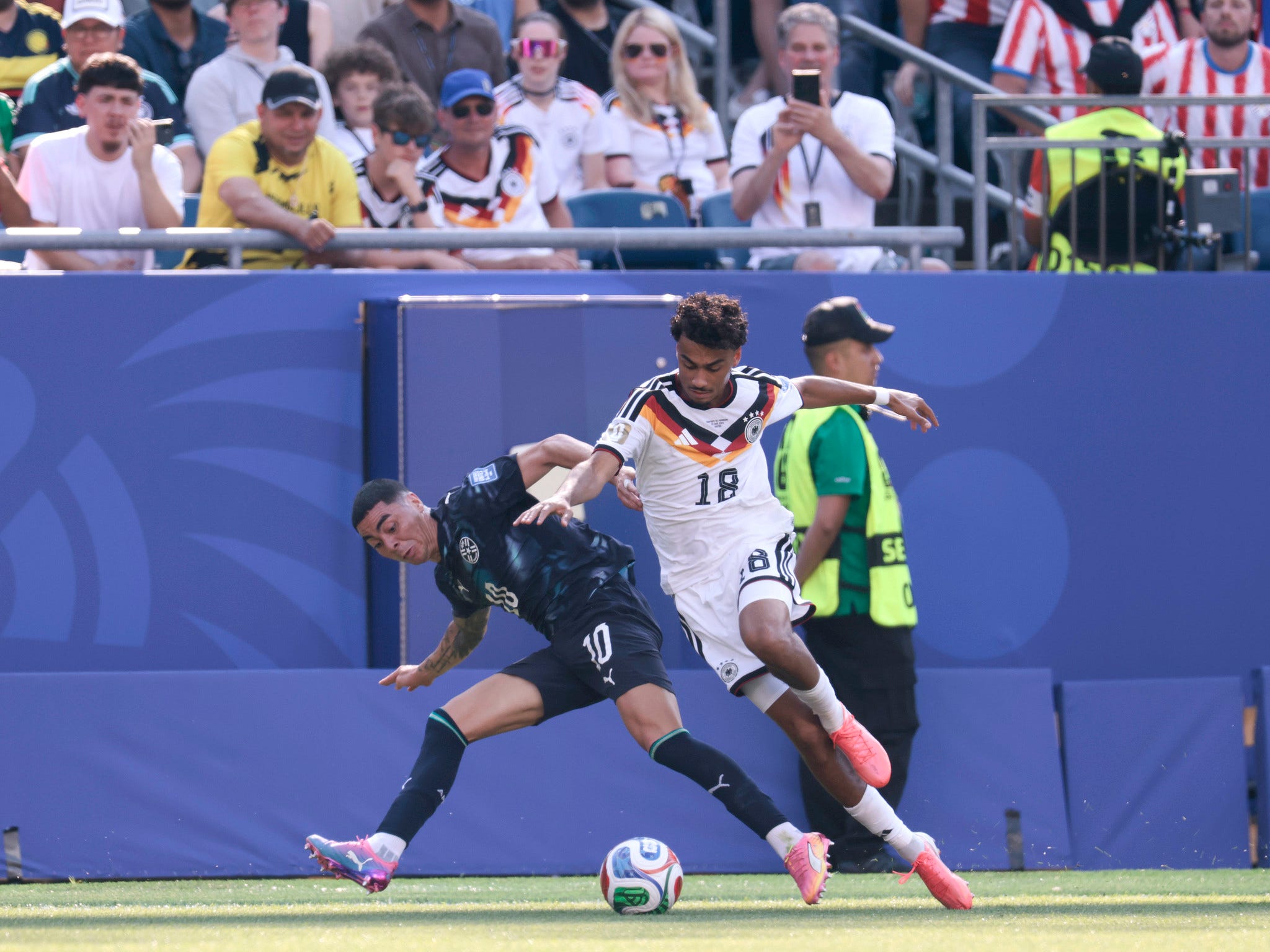
That was the narrative in 2002 when they last played Germany at the World Cup. Also when they lost by the Golden Goal to France in 1998 and more recently the late goal against eventual champions Spain in 2010. When Jonathan Tah headed the ball in the net in the 104th minute it felt appropriate. When the Bayern Munich man missed his team’s sixth penalty and José Canale was tasked with taking a shot rather than blocking one, it felt like the Matrix was being reset.
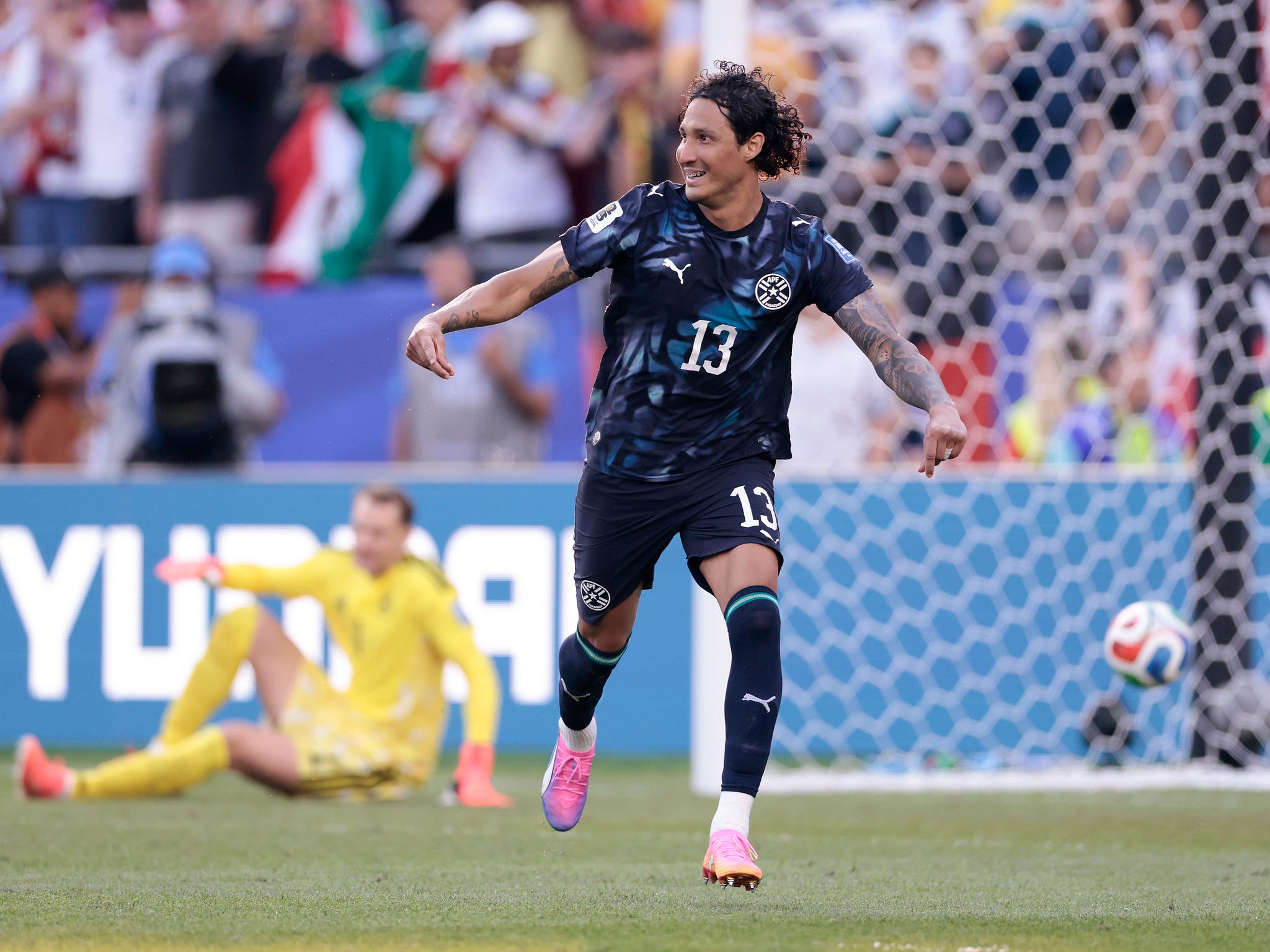
After the game Gustavo Alfaro sat in the press conference a man vindicated. Post-Australia he had been criticized for the defensive approach against and his response was similarly spiky. It seemed, for the first time, that there was discord between him and the local press. But here, reflecting on the upset, he was back to his romantic best as the reporters hung on every word. Nagelsmann had said his team were not “first-level” because they couldn’t beat a side like Paraguay. Alfaro romanticized the difference in standards.
“Their players were formed in top level academies. We come from the red earth, playing barefoot on that earth and with the parents sacrificing everything to make ends meet at the end of the month so their children can realize their dreams” - Gustavo Alfaro
He later clarified that this wasn’t the only reason Paraguay won, but the wily coach had given the press the soundbite they craved. There was an element of truth in his assertion that this victory had a South America feel to it. With Diego Gómez suspended and Omar Alderete injured there was just one player, Julio Enciso, from Europe’s Top 5 leagues in the starting XI. Seven of the team were from Argentina or Brazil or eight if you included Matías Galarza (recently put up for sale by River Plate).
Alfaro sounded genuine when he said he didn’t realize the next game was in Philadelphia because he hadn’t thought that far ahead. At the time of writing they have already arrived in Pennsylvania in preparation for France for another mission impossible. Now he has his sights set on stopping Kylian Mbappé and co. from reaching a third straight final. The impossible utopia feels more impossible than usual.

Back on the balcony in Asunción, I couldn’t tell you what Nelson Haedo Váldez actually said because the crowd below burst into rapturous chants. All the noise was enough to wake the war heroes laid to rest in the Pantheon. While that really would have been out of the realms of reality, their spirit was on show for 120 minutes and the shootout. Can Alfaro and his squad draw on past legends and squeeze out more from this sapped squad on Saturday, or will the Paraguayan Utopia finally get its overdue reality check?